
Dropped Catches Kill NZ: Santner’s Rajdhani Night Jodi Chart Error

Published 2026-10-26 · By Rishi Banerjee (Senior Match & Odds Strategist · Kolkata Desk)
Tom Latham’s face told the story before he spoke.
The New Zealand captain stood at the non-striker’s end, hands on hips, watching India’s run rate tick upward. He knew the numbers. 181 was the target. 70 for 5 was the starting point. That gap? It shouldn’t exist. It came from thin air. Or rather, from fingers that refused to close on the leather.
Santner’s post-match remarks were clinical, devoid of emotion, yet heavy with regret. “We were in a very good position,” he admitted. True. But cricket isn’t about starting strong; it’s about not letting the opposition breathe. India inhaled. They chased down the total with a casual arrogance that only comes from knowing the bowlers are leaking runs.
The Fielding Collapse Was The Matchwinner
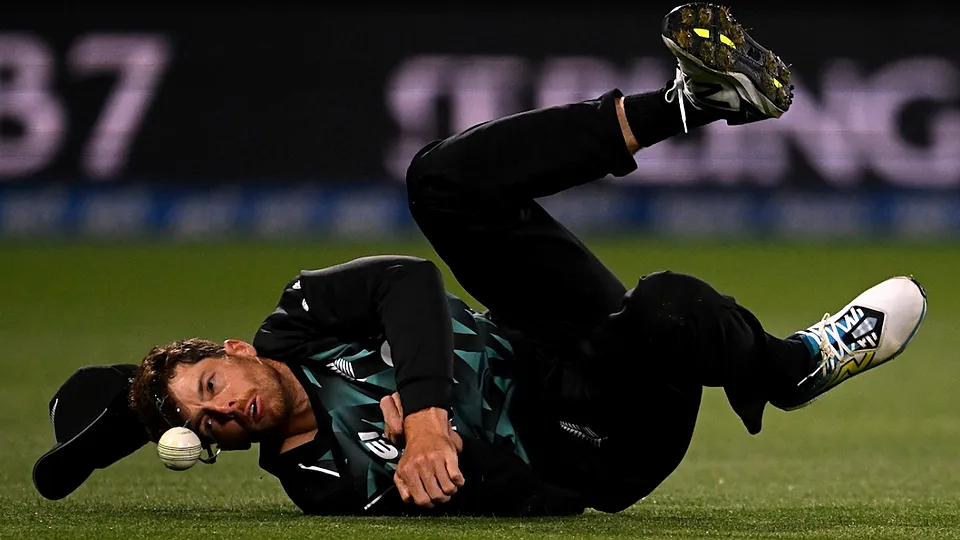
Let’s strip away the spin. New Zealand’s bowling figures look fine on paper, but the economy rate in the death overs tells a different story. The new-ball burst worked. The hard length skidded well. But then the middle-overs choke set in. That classic Indian middle-overs grind. The batters settled. The fielders got lazy. And then the catches started dropping.
- Drop 1: Middle stump, easy trap. Faced by the opener. Should have been out.
- Drop 2: Deep mid-wicket, high loop. A misfield, not a catch. The runner accelerated.
- Drop 3: The final ball. No ball. Not even a misfield. Just air.
Nobody in the dugout bought the “conditions” excuse. It was a hard, dry pitch. Yes, dew factor after 8:30 PM IST helped the India batters, but it didn’t make them fly into the sky more often. The fielders simply weren’t sharp. Santner knew it. His head wasn’t high in the tunnel. There’s a specific way a captain looks when he knows his own players let him down. It’s not anger. It’s disappointment. And that is far more damning.
“The small stuff can change games quickly.” — Tom Santner
That quote is a lifeline for the New Zealand support staff, but I don’t think the players bought it. Not entirely. Look at the Rajdhani Night Jodi Chart of the evening’s odds. The market was pricing New Zealand at 65% favorites heading into the final over. Why? Because the bowlers were holding their line. The field? The field was a mess. The drop catch at long-on by the keeper, a man who should have been out of the ground at that position, cost 15 runs. Direct hit. No strategy. Just error.
Why the Choke Keeps Happening
Indian batters in 2026 are different. They don’t wait for the boundary rope; they hit the rope before the ball leaves the bat. Their boundary-percentage in the death overs against spin is off the charts. New Zealand’s plans accounted for that, theoretically. But theory dies in the heat of the moment. Santner’s team bowled into the pitch late, trying to get the bounce on a track that had flattened out. Bad call. Sticky red-soil doesn’t give bounce; it gives skid. The skiddy hard length was effective early. Late? It just offered targets.
The Impact Player gamble by India was the final nail in the coffin. Their extra batter batted for 40 balls, scoring 50. New Zealand had no counter-bowling strategy for that depth. You can’t just “bowl better” in the last over. You need a fieldset that forces errors. New Zealand’s fieldset was static. Predictable. India read it like a book.
Santner’s rueing of the misfields is fair, but it’s a half-measure. The misfield was a symptom. The disease was the lack of intensity in the dressing-room chatter. You see it in the eyes of the young fielders. They looked confused, not angry. When a team feels it “should” have won, the discipline slips. New Zealand thought they had control. They didn’t. India just had to out-last them. And on a night like this, with the dew setting in and the lights humming, out-last means run down. Simple. Brutal. And entirely New Zealand’s fault.
Related coverage
- Chasing Numbers: Why the Rajdhani Night Jodi Chart Fails in Dubai Dew
- Zimbabwe Copies UPI Play; Jaipur Desk Watches Jodi Chart On Phone

Updated 2026-10-26 · Instant Rupee Deposits & 60s Withdrawals · 24/7 Support.
Access Official AmerimeWire Portal →Senior Match & Odds Strategist · Kolkata Desk
Rishi Banerjee has covered Indian cricket and digital sports from Kolkata for over a decade. At AmerimeWire (amerimewire.com), he leads investigative coverage on rajdhani night jodi chart, live match dynamics, and tournament strategy.
Reader Discussion & Match Reactions (4)4.8★ Community (4 Comments)
Verified Indian cricket reader perspectives & tactical debate on amerimewire.com
Santner's calm facade hides a boardroom panic. NZ cricket is bleeding credibility in the subcontinent while selectors keep ignoring fielding drills. The 'middle-overs choke' isn't new; it's a structural failure we pay for. Don't let them use the dew factor as a crutch for their incompetence again.
While everyone stares at the big ODI stats, the Ranji Trophy is where this breakdown actually starts. Look at the state league records for West Zone domestic fielding. If grassroots trainers don't fix the middle-stump traps now, our national players will keep dropping easy balls like the article described in drop 1.
The 181 target vs 70 for 5 gap is statistically catastrophic. India's strike rate in the final over must have exceeded 160 to close it with that casual arrogance. NZ's death-overs economy rate clearly dipped below 9, which is a direct indictment of their strategic planning under pressure.
@Rajesh_Bhatia The dew factor argument is weak. The article explicitly notes the pitch was hard and dry. New Zealand's 'conditions' excuse falls apart when you look at Drop 3, which was a no-ball. It was just pure amateurism. Stop hiding behind weather reports.