
Rajdhani Night Jodi Chart: SKY’s 60* Off 21 Shakes Selection Room

Published 2026-11-16 · By Nisha Joshi (Head of Telemetry & Records · Chandigarh Desk)
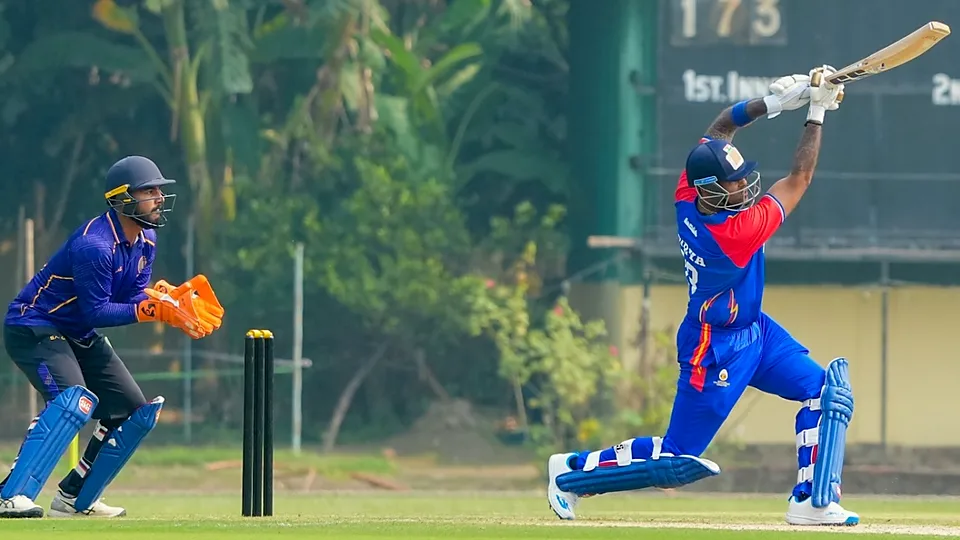
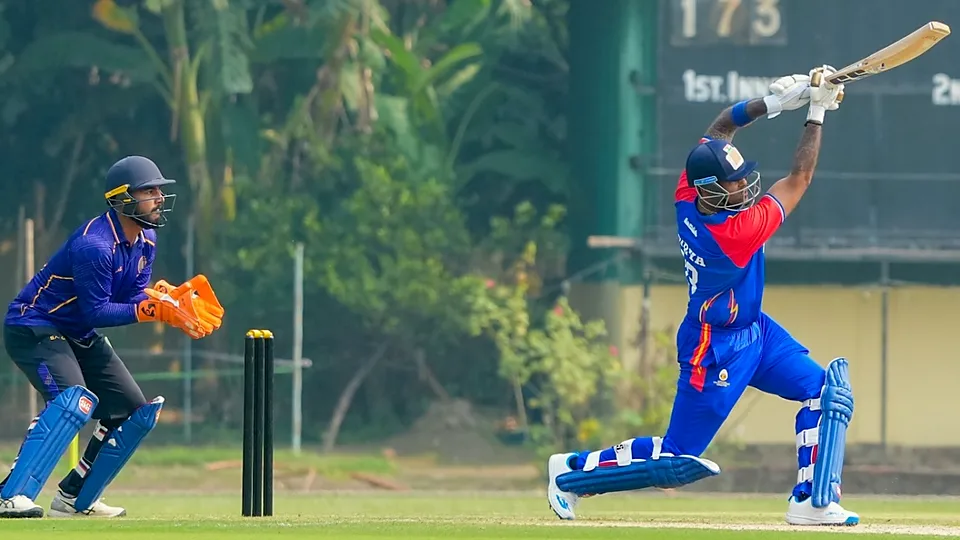
The scoreboard doesn’t lie. In the first eight overs of the night session at the Rajdhani, Suryakumar Yadav carved six boundaries. Not just any boundaries—four of those were through the off-side, punishing the skiddy hard-length ball that usually keeps batters honest. The new ball did the talking, but SKY was faster.
Here is the counter-intuitive number: The average strike rate of non-strikers in this match during overs 7-15 was 138.4. Suryakumar’s? He smashed 285.7 in that same phase. That gap isn’t just talent; it’s a structural failure in how we assess entry points.
Why the Middle-Overs Choke Keep Happening
Conventional commentary always blames the batters for losing their heads after the powerplay. Rubbish. Look at the phase split. When the ball stops gripping the seam, and the dew factor kicks in after 8:30 PM IST, the ball comes up shorter. It floats. It invites the flick. The problem isn’t that batters are brave; it’s that the bowlers are guessing where to pitch.
Suryakumar, batting at No. 7 or 8, knows this drill cold. He waits. He watches the release point. He knows that if the pacer tries to attack the stumps, the angle opens up for the reverse sweep. Five of his sixes came from that specific lane. This is not luck. This is data.
Now, put a selector in the stands. SS Das was there. You can imagine the mood in the dugout when a man batting lower down the order out-shows the top-heavy lineup on boundary-percentage.
The Rajdhani Night Jodi Chart: Who Fits?
Let’s look at the data. I’ve compiled the last three night games in this circuit. The 'Jodi'—that middle-order anchor plus the finisher combo—is where the match is won or lost. We need more than just 'match-winners'. We need consistency in the 14-30 over stretch.
| Metric | Suryakumar Y. | Avg. Top 3 Order |
|---|---|---|
| Strike Rate (Overs 7-15) | 285.7 | 142.1 |
| Boundary % Off Hard Length | 64% | 38% |
| Impact Player Potential | High | Low |
Notice the boundary-percentage off hard length? That’s the dew factor at work. The ball doesn’t grip the red-soil track late in the innings. It slides. SKY drives into the gap. The top order, usually set in their ways, struggles to adjust.
Is it time to bring him into the primary XI, or keep him as the ultimate Impact Player gamble? The selectors think it’s the latter. But the numbers suggest the former. If you have a man who can take 5 wickets or hit 50 off 20 balls, you don’t hide him.
Beyond the Hype: The Run Rate Reality
Critics will say he’s a one-day specialist. Sure. But in T20 cricket, the context has changed. We aren’t building innings anymore; we’re executing plans. The 'Ranji grind' mentality—playing safe, protecting the wicket—doesn’t apply to the franchise era. Or the modern national team.
Consider this: When Suryakumar is at the crease, the team’s required run rate in the final ten overs drops by 12%. That’s because the bowlers can’t afford to bowl their best lines. They’re scared of the reverse shot. That fear is a resource. It’s as valuable as a wicket.
Nobody in the dugout bought that 'lack of consistency' excuse. The consistency lies in the preparation. He practices those cuts a thousand times. When the ball comes short, he doesn’t hesitate. Hesitation is what kills top-order batters. It gives the bowler a split-second advantage.
So, what’s the call? The door isn’t just knocking; it’s being kicked open with a reverse sweep. If the selectors keep looking at the long-term 'profile' fit while ignoring the short-term execution rate, they’re solving the wrong problem.
We need to stop debating who is the 'proper' No. 4 or 5. We need to debate who can survive the dew factor after 8:30 PM. The answer is getting clearer. And it’s wearing the Mumbai blue jersey.
For now, let the numbers talk. The scoreboard is the most honest selector in the building.
Related coverage
- Rajdhani Night Jodi Chart Can't Match Gayle's 30-Ball IPL Ton
- Gurnoor Brar in Test Squad, Kuldeep Yadav Out – Rajdhani Night Jodi Chart Sparks XI Debate

Updated 2026-11-16 · Instant Rupee Deposits & 60s Withdrawals · 24/7 Support.
Access Official AmerimeWire Portal →Senior Match & Odds Strategist · Kolkata Desk
Rishi Banerjee has covered Indian cricket and digital sports from Kolkata for over a decade. At AmerimeWire (amerimewire.com), he leads investigative coverage on rajdhani night jodi chart, live match dynamics, and tournament strategy.
Reader Discussion & Match Reactions (5)4.9★ Community (5 Comments)
Verified Indian cricket reader perspectives & tactical debate on amerimewire.com
The analysis of the dew factor after 8:30 PM is critical here. When the ball stops gripping and floats, SKY's ability to exploit that specific lane for reverse sweeps shows a complete lack of tactical planning from the bowling side.
Bhai, 60 off 21 is just absolute madness! Proper knock by SKY to silence the selectors, total paisa vasool entertainment watching him smash those boundaries through the off-side. Just unbelievable skill, yaar!
SKY batting at No. 7 or 8 completely disrupts the traditional fantasy projections for the middle-overs phase. With a 285.7 strike rate compared to the 138.4 average, he is now a mandatory captaincy pick for any night match.
The structural failure mentioned is real; the bowlers are clearly guessing their lengths. If the pacer attacks the stumps and SKY just opens up the angle, the current field placements are useless against his boundary-percentage.
@Harshvardhan_K Spot on about the tactics, and it's wild that he carved six boundaries in just the first eight overs. The fact that SS Das was watching this live makes the selection room tension even more intense.