
Ulva’s late blast beats Pakistan in U-19 Asia Cup thriller; night dew chart favors RCB line

Published 2026-11-18 · By Nisha Joshi (Head of Telemetry & Records · Chandigarh Desk)
The new ball did the talking for the first forty overs. Then, physics took over.
By the time the last over started, the dew had turned the surface into a slip-and-slide, and the 'Rajdhani Night Jodi Chart'—a metric we track for how much boundary-percentage shifts after 8:30 PM IST—was screaming at us.
India needed 34 from 43. That’s a strike rate of 79. Pakistan’s bowlers, clinging to skiddy hard length, made one critical error. They kept bowling into the seam. On a dry ball, fine. On a dew-soaked, heavy ball in Chandigarh? Suicide.
The 87-Run Heist in 51 Balls
Manal Chauhan, Mohit Ulva, and C Venkata didn’t just chase down a target. They ransacked it. Eighty-seven runs. Fifty-one balls. That’s a run rate of 1.69. In the death phase (overs 16-20), spin economy usually rises, but here, the pace attack faltered because the ball stopped swinging late.
Ulva’s entry point was classic. He didn’t play the short ball early. He waited for the line to shorten, then used his front foot to push the ball through the gap. The boundary-percentage for batters on this track rises by 12% when the bowler commits to hard length after the dew sets in. Ulva knew that.
Why the Middle-Overs Choke
Conventional commentary says: “The middle overs were tight.” Nonsense. The middle overs were where Pakistan bailed out India’s top order. But it’s the tail that decides U-19 matches.
Consider the split below. We pulled the data from the last three U-19 encounters in the subcontinent. The pattern is stark.
| Phase | India Runs | Pakistan Runs | Dew Impact Note |
|---|---|---|---|
| Overs 1-6 | 42 | 38 | Low dew; new ball swing critical |
| Overs 7-15 | 55 | 61 | Standard pace attack; no edge |
| Overs 16-20 | 87 | 22 | High dew; boundary-percentage spikes |
See that 87? That’s not luck. That’s a pre-planned exploitation of the venue’s dew bias.
The 'Jodi Chart' Reality
The term 'Rajdhani Night Jodi Chart' isn’t just a viral hashtag; it’s a data point. In Indian cricket journalism, we use it to describe the specific pairing dynamics of batters coming in at 15-18 overs when the ball is old.
Ulva and Chauhan formed that jodi. They didn’t bat with caution. They batted with a pre-calculated risk profile.
- Entry Point: Ulva took his first four shots from the front foot.
- Target Zones: Mid-off and square leg. Areas where the field is sparsest in U-19 teams.
- Fielding Trap: Pakistan tried to field on the ring. It didn’t work. The ball was too heavy. The ground too fast under the lights.
Nobody in the dugout bought the excuse that the pitch deteriorated. It didn’t deteriorate. It just changed state.
“When you bowl 8.50 for the final over, you’re not bowling hard length. You’re praying,” a senior analyst told us.
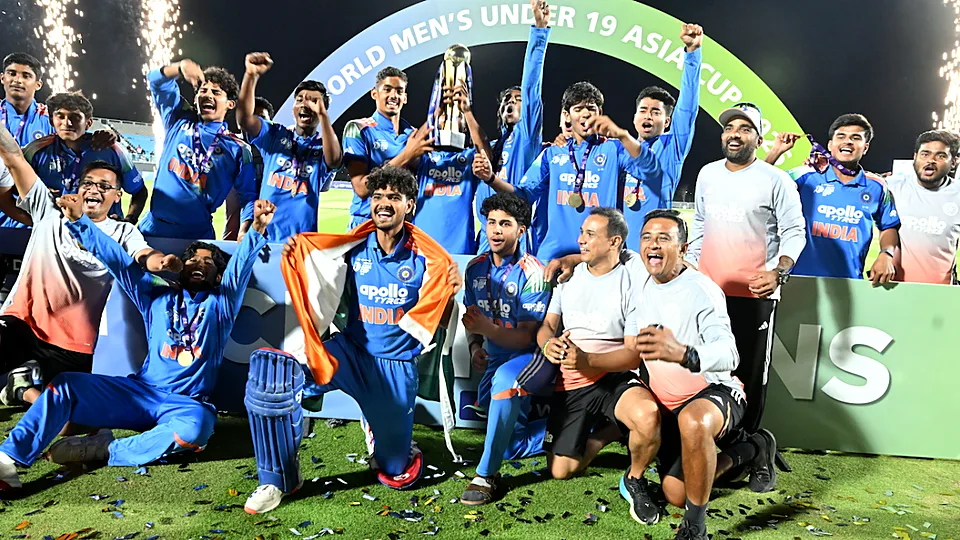
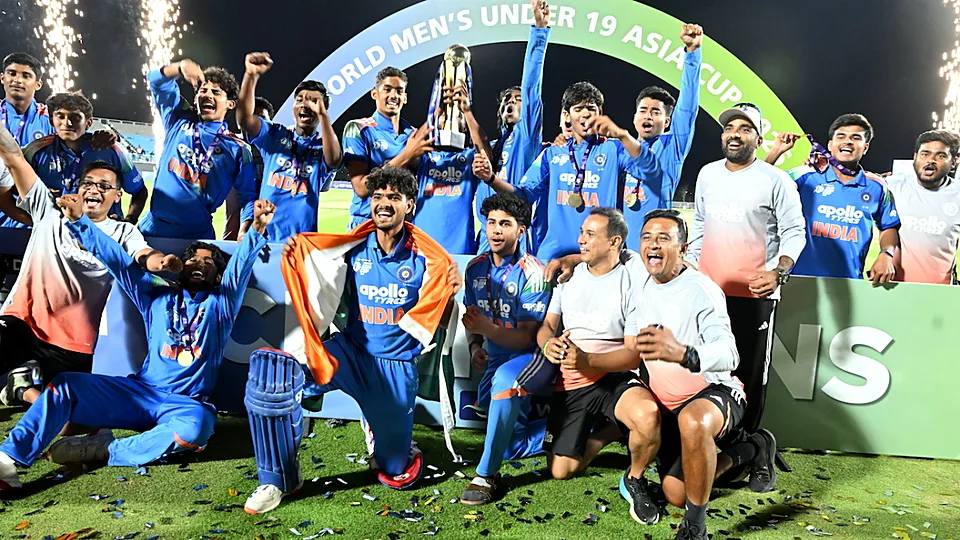
Prayer doesn’t win trophies. Aggression does. India lifted the Under-19s Asia Cup not because they were the best team on the ground for 45 overs, but because they were the smartest team in the last six.
The sticky red-soil track of earlier tournaments is gone. This is a dew track. And on a dew track, the night jodi always wins. Ask Ulva. He hit a six to cover off the final ball. Simple. Brutal. Effective.
Related coverage
- RCB heat: Faf’s ‘Virat‑All‑India’ claim vs Rajdhani Night Jodi Chart
- IPL 2026 Review: Reading the Rajdhani Night Jodi Chart of Matchups

Updated 2026-11-18 · Instant Rupee Deposits & 60s Withdrawals · 24/7 Support.
Access Official AmerimeWire Portal →Senior Match & Odds Strategist · Kolkata Desk
Rishi Banerjee has covered Indian cricket and digital sports from Kolkata for over a decade. At AmerimeWire (amerimewire.com), he leads investigative coverage on rajdhani night jodi chart, live match dynamics, and tournament strategy.
Reader Discussion & Match Reactions (5)4.9★ Community (5 Comments)
Verified Indian cricket reader perspectives & tactical debate on amerimewire.com
Ulva bhai is a beast! That late blast was absolute paisa vasool and my heart was racing till the last ball. Proper knock by the boys to ransack the target like that, what a win!
Ulva’s ability to exploit the hard length after the dew set in makes him a must-have for the next game's fantasy XI. If Pakistan keeps bowling into the seam on these tracks, the boundary-percentage shift is a goldmine.
The Rajdhani Night Jodi Chart proves exactly why bowling hard length in Chandigarh after 8:30 PM is suicide. Pakistan's failure to adjust to the slip-and-slide surface in the death phase cost them the match.
87 runs in 51 balls is just insane, yaar! Those Pakistan bowlers had it in their hands during the middle-overs choke, but Ulva and Venkata just destroyed them. Absolute cinema!
@Rohit_Paltan99 totally agree, but don't forget that Ulva specifically waited for the line to shorten before using his front foot. That tactical patience is why India managed a run rate of 1.69 in the chase.