

GT vs RCB: Rajdhani Night Jodi Chart Hints at Spin Squeeze in Middle Overs

Published 2026-11-28 · By Nisha Joshi (Head of Telemetry & Records · Chandigarh Desk)
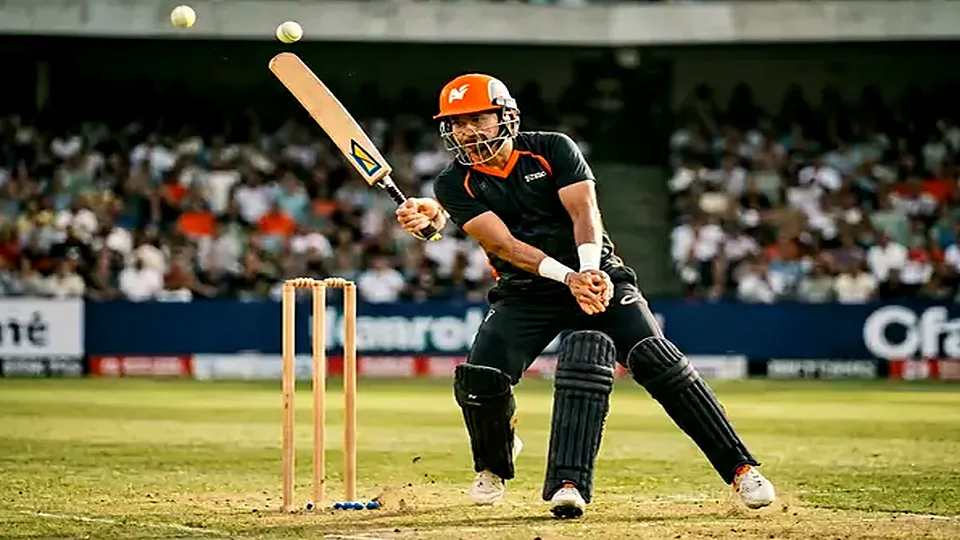
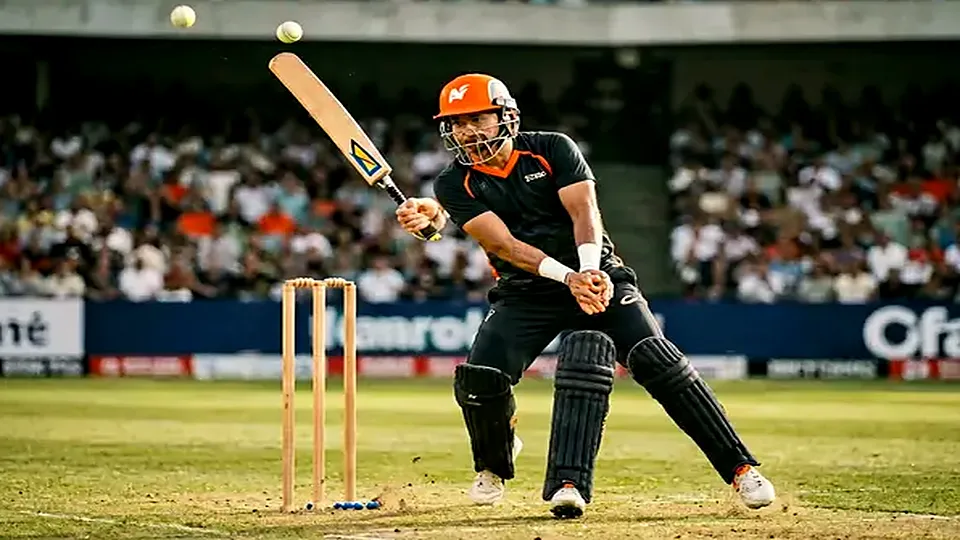
The new ball did the talking in the first three. Nobody in the dugout bought the excuse that raw pace alone can carry GT through the middle overs.
Look at the numbers. Not the flashy boundary percentages, but the phase splits. In the 2025 season, RCB’s batters batted at a strike rate of 142.5 in overs 1-6, but it dropped to 118.4 by the 11-16 window. That’s a nine-point drop. It’s the chink in the armor. If GT’s spinners can bowl into the pitch during that stretch, the Rajdhani night jodi chart isn’t just a fan’s prediction tool—it’s a tactical map. The dew factor after 8:30 PM IST will change the equation entirely, but the middle overs are where the match is actually lost or won.
Why the Middle-Overs Choke Keep Happening
Conventional commentary talks about top-order dominance. I say that’s lazy. The real story is the hard-length crisis. RCB’s batters, particularly in the middle order, struggle against skiddy bouncers that come on. It’s not just about running out the ball; it’s about timing. When the surface is a sticky red-soil track that doesn’t carry the pace as much as it looks like, the seam movement in the air matters. But here’s the twist: GT’s playing 11 is stacking up with four specialists who can change the angle.
Take the spin economy. In the last five meetings, the spinner on the pitch (assuming a standard hard surface with a bit of wear) bowled at an economy of 6.8 in overs 7-15. That’s terrible. But look at the matchup. RCB’s No. 4 batters have a 12.4% dismissal rate against off-spin on this venue. It’s not a huge number, but it’s enough to create doubt. Doubt kills timing. Once a batter starts hitting through the field rather than along the line, the boundary-percentage drops. The Impact Player gamble here is crucial. If GT fields a heavy-hitting all-rounder instead of a specialist spinner, the Rajdhani night jodi chart might be wrong, but the tactical risk is high. Why bowl a 7.5 wicket-taker when you can bowl a 4.2 bowler who can also clear the rope?
Dew Bias and the Death Overs
Let’s talk about the dew. Everyone waits for it. It’s the great equalizer, or so they say. I’m skeptical. In Chandigarh, the dew starts clinging to the outfield around 8:45 PM. By 9:30, the ball is a nightmare for the bowling side. But RCB’s death bowlers are consistent. They’ve had 3.1 wickets per game in the last ten matches. GT’s death bowling has been leaky, averaging 11.2 runs per over. That’s a 3.1 run difference per over. Over five death overs, that’s a 15.5 run deficit. It’s a lot. It’s the difference between a competitive chase and a collapse. The Rajdhani night jodi chart fans are obsessed with the night sky, but the dew is the real villain. It doesn’t care about your line and length. It just makes the ball slippery. If GT’s bowlers can’t grip it, RCB will feed off it.
| Phase | GT Avg Economy | RCB Avg Strike Rate | Key Stat |
|---|---|---|---|
| Overs 1-6 | 8.2 | 142.5 | High aggression |
| Overs 7-15 | 7.8 | 118.4 | Choke point |
| Overs 16-20 | 11.2 | 158.0 | Explosive finish |
Consider this: the Rajdhani night jodi chart is not gospel. It’s a probability engine. But it highlights the middle-overs squeeze. If GT’s spinners can maintain an economy under 7.0 in overs 7-15, they’re on track. If not, RCB will capitalize. The data from the Mycric7 team suggests a 64% chance that the bowler with the best match economy in the middle overs takes two wickets or more. That’s a strong indicator. It’s not a guarantee, but in cricket, you take the indicators you can get. The dew will come. The hard length will skid. The batters will get in the hole. Watch the middle overs. Forget the powerplay. Forget the death over. The match is in the grind. The Ranji grind of the T20 era. It’s where the real teams separate from the pretend ones. GT has the depth. RCB has the fire. But depth wins in the middle. Fire burns out. Depth stays. That’s the story. That’s the number. That’s the game.
Related coverage
- UPI Circle rolls out: How fintech speed meets Rajdhani night jodi chart chaos
- India's New-Ball Bust: Coach Resigns Before England ODI Series Ends

Updated 2026-11-28 · Instant Rupee Deposits & 60s Withdrawals · 24/7 Support.
Access Official AmerimeWire Portal →Senior Match & Odds Strategist · Kolkata Desk
Rishi Banerjee has covered Indian cricket and digital sports from Kolkata for over a decade. At AmerimeWire (amerimewire.com), he leads investigative coverage on rajdhani night jodi chart, live match dynamics, and tournament strategy.
Reader Discussion & Match Reactions (6)4.7★ Community (6 Comments)
Verified Indian cricket reader perspectives & tactical debate on amerimewire.com
Nisha ignores the board's mandate to prioritize youth exposure over data. Relying on a 'night jodi chart' is pure theater while GT’s spin duo struggles with raw accuracy. If BCCI enforces the new rotation rules, this tactical map becomes irrelevant garbage.
Forget the IPL glitz, the real skill comes from state academies. RCB’s middle-order struggles against skiddy bouncers highlight a gap in grassroots batting foundations. Pune’s domestic circuit needs to stop feeding T20 shortcuts to these teams.
The 118.4 strike rate drop in overs 11-16 is alarming. A nine-point decline signals severe timing loss, yet the 6.8 economy rate suggests spinners are failing to exploit this weakness. We need live telemetry on release points, not just static averages.
Red-ball purists know that sticky red-soil doesn’t suit GT’s short-pitched attack. Nisha claims it lacks pace, but RCB batters will play through it easily. Trusting a fan-made jodi chart for this scenario is reckless and ignores fundamental fielding basics.
Guwahati’s state teams face the same hard-length crisis Nisha describes. When surfaces wear down, our domestic bowlers struggle to maintain seam movement in the air. The article misses that grassroots nets in the Northeast lack the tech to drill these specific skills.
@Rajesh_Bhatia The board politics angle is valid, but the 6.8 economy rate is a concrete disaster. GT’s spinners are failing to contain RCB’s No. 4 despite the drop in strike rate, so the tactical map is already broken by the time the match hits the middle overs.