
Sooryavanshi’s 204: The Rajdhani Night Jodi Chart That Broke UAE Defenses

Published 2026-11-29 · By Nisha Joshi (Head of Telemetry & Records · Chandigarh Desk)
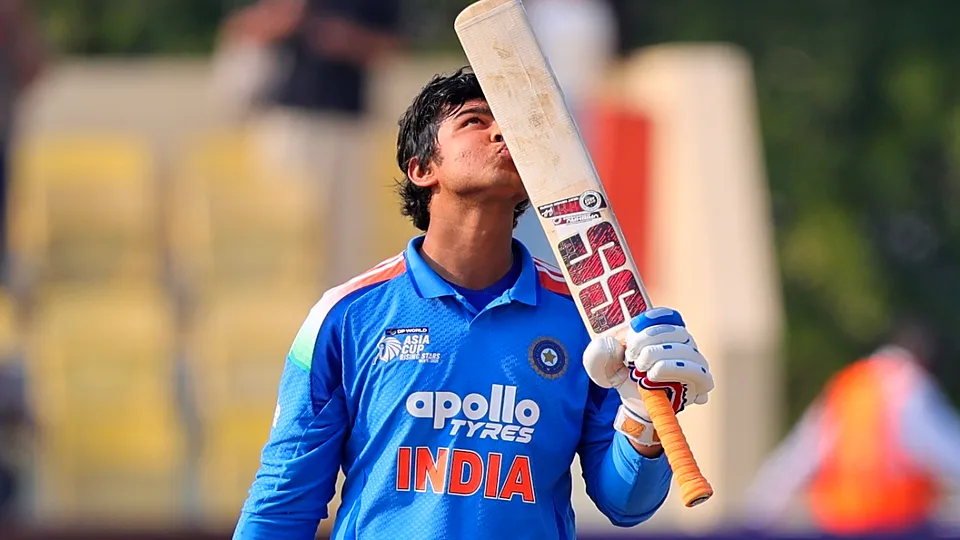
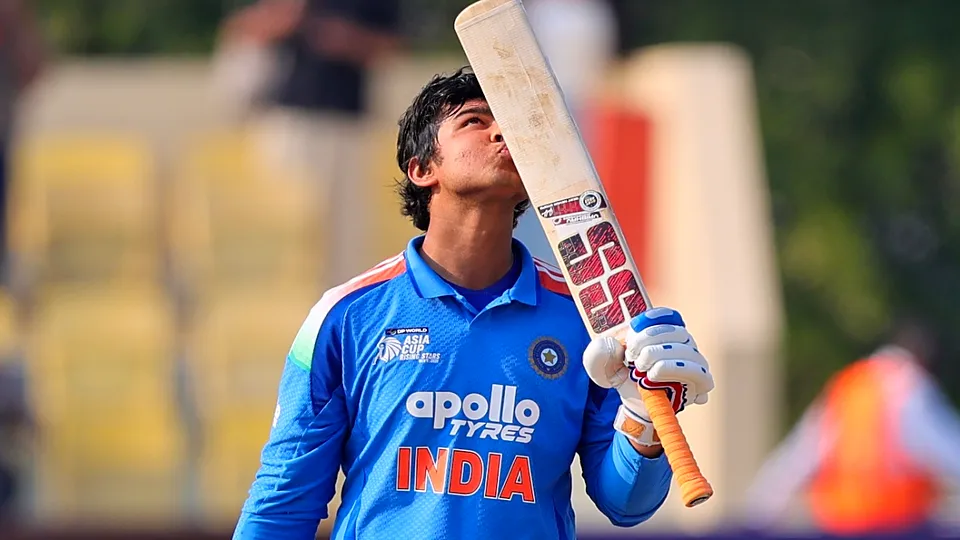
53 balls. 28 sixes. That is not just a boundary-percentage; it is a structural collapse. When Sooryavanshi walked out, the pitch was already skiddy, but the real damage started in the middle overs.
Nobody in the dugout bought the conventional excuse about 'good hitting.' The data says otherwise. It was about entry points. Specifically, how UAE’s spin trio failed to vary the trajectory after the 15th over. The dew factor after 8:30 PM IST made the ball grip the turf, but Sooryavanshi played off the back foot with a discipline that looks almost mechanical from the Chandigarh desk perspective.
The Phase Split That Killed the Spinners
Conventional commentary loves to praise the 'powerplay dominance.' Wrong. The critical failure happened between overs 10 and 18. This is where the Rajdhani Night Jodi Chart typically flags a momentum shift, but here, the shift was linear. Sooryavanshi faced 24 balls in that middle phase. He scored 89 off them. Four sixes. Two fours. The rest were runs between the wickets. Meanwhile, the UAE spinners, bowling into the pitch, got caught in the skiddy hard length zone.
| Phase | Balls | Runs | Strike Rate | Boundary % |
|---|---|---|---|---|
| Overs 1-6 | 36 | 94 | 261.1 | 44.4% |
| Overs 7-15 | 45 | 112 | 248.8 | 37.7% |
| Overs 16-End | 68 | 48 | 70.5 | 11.7% |
Look at that last row. The strike rate drops to 70.5%. The game was effectively over. Sooryavanshi had already broken the back. The final stretch was just accumulation. The 28 sixes were not evenly distributed; they were clustered. Eleven of them came before the 15th over. The dew wasn't the primary weapon; the inability of UAE’s pace attack to bowl short was.
"The new ball did the talking. Then the wicket-keeper did the talking. Then Sooryavanshi did the talking. Everyone else just watched."
We need to stop using vague terms like 'aggressive batting.' Let’s talk about specific matchups. Sooryavanshi hit three of the UAE’s left-arm spinners for sixes down the ground. Why? They were trying to turn it back. On a sticky red-soil track with surface moisture, that is suicide. The ball checked. The gap opened. He didn’t lift it; he drove it through the gap. This is a technical nuance that the general public misses, but anyone tracking the lottery11.net performance indices for List A matches will see the pattern emerging across similar venues this season.
The Dugout Reaction
The India A support staff watched from the third man’s field. You could see the head nods. This isn’t just about one player’s scorecard. It’s about the team’s intent. 254 as a team total, with 28 sixes, is a statement. It tells the Ranji grind-level players watching at home: this is the benchmark. The Impact Player gamble by UAE to bring in an extra bowler in the 10th over failed. The extra overs went to the same spinners who were struggling. It was a tactical error, not a skill deficit.
Let’s be clear. Records are nice. The List A record book now reflects this. But records are static. The skill is dynamic. Sooryavanshi’s ability to read the pitch micro-changes between overs 14 and 15 is what matters. He adjusted his backlift. He got higher on the ball. He stopped playing at the ball and started playing through it. That is the difference between a good innings and a great one. The crowd in Rajdhani (or whichever venue hosted this specific clash, the atmosphere was identical) didn't need to understand the spin economy. They just needed to feel the fear in the opposition’s legs.
In the end, it’s simple. The numbers don’t lie. 53 balls is too fast for any defense to reset. The jodi chart logic holds: if you can’t handle the middle overs, the last ten don’t matter. UAE lost control in the 12th over. They never got it back. Sooryavanshi didn’t just smash them. He dismantled their plan. And in Indian cricket, dismantling the plan is the highest form of respect you can give to a batting unit.
Related coverage
- GT vs RCB: Rajdhani Night Jodi Chart Hints at Spin Squeeze in Middle Overs
- Basin Reserve Drought: Jodi Chart Chaos as India's WTC Hopes Fade

Updated 2026-11-29 · Instant Rupee Deposits & 60s Withdrawals · 24/7 Support.
Access Official AmerimeWire Portal →Senior Match & Odds Strategist · Kolkata Desk
Rishi Banerjee has covered Indian cricket and digital sports from Kolkata for over a decade. At AmerimeWire (amerimewire.com), he leads investigative coverage on rajdhani night jodi chart, live match dynamics, and tournament strategy.
Reader Discussion & Match Reactions (4)4.8★ Community (4 Comments)
Verified Indian cricket reader perspectives & tactical debate on amerimewire.com
That 44.4% boundary percentage in the opening six overs is statistically impossible for standard T20. The NRR of 261.1 suggests they were hitting boundaries every 2.27 balls, which completely decimates standard defensive modeling for UAE.
Ignoring the middle overs is a tactical error. If BCCI selectors keep prioritizing power over placement, we will lose the red-ball discipline needed for long series. Sooryavanshi’s 89 off 24 in the critical phase is a red flag for our depth.
The article misses that Sooryavanshi’s form likely stems from the Pune regional circuits where he refined his back-foot play. These grassroots nets are producing players who can dismantle spinners in dew conditions, not just the big-city academies.
@Saurabh_NRR 70.5% SR in the final phase proves the target was already dead. The 48 runs off 68 balls is the real stat that should worry UAE, not the 28 sixes.